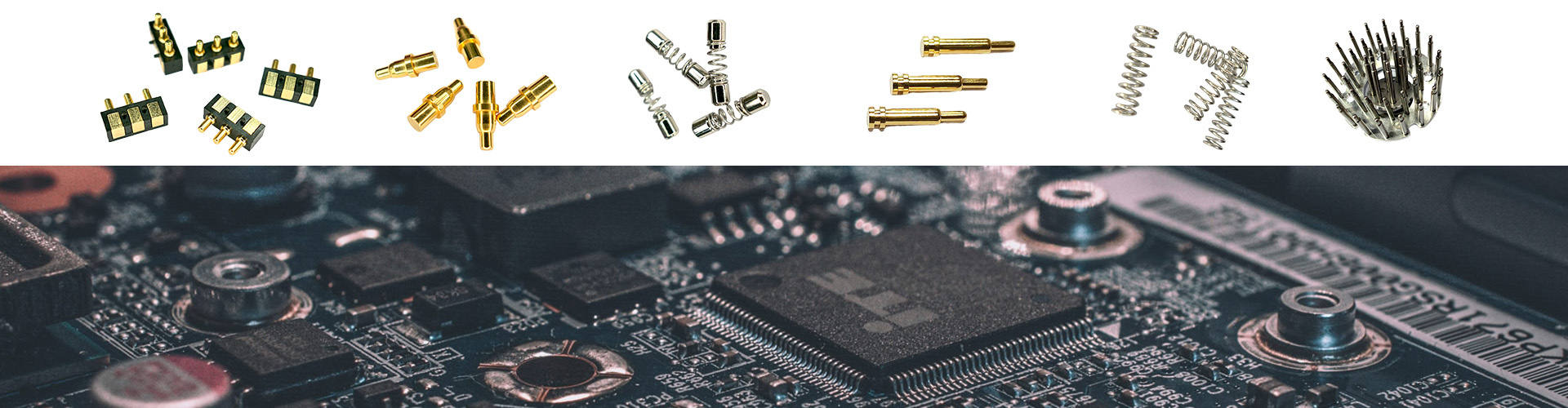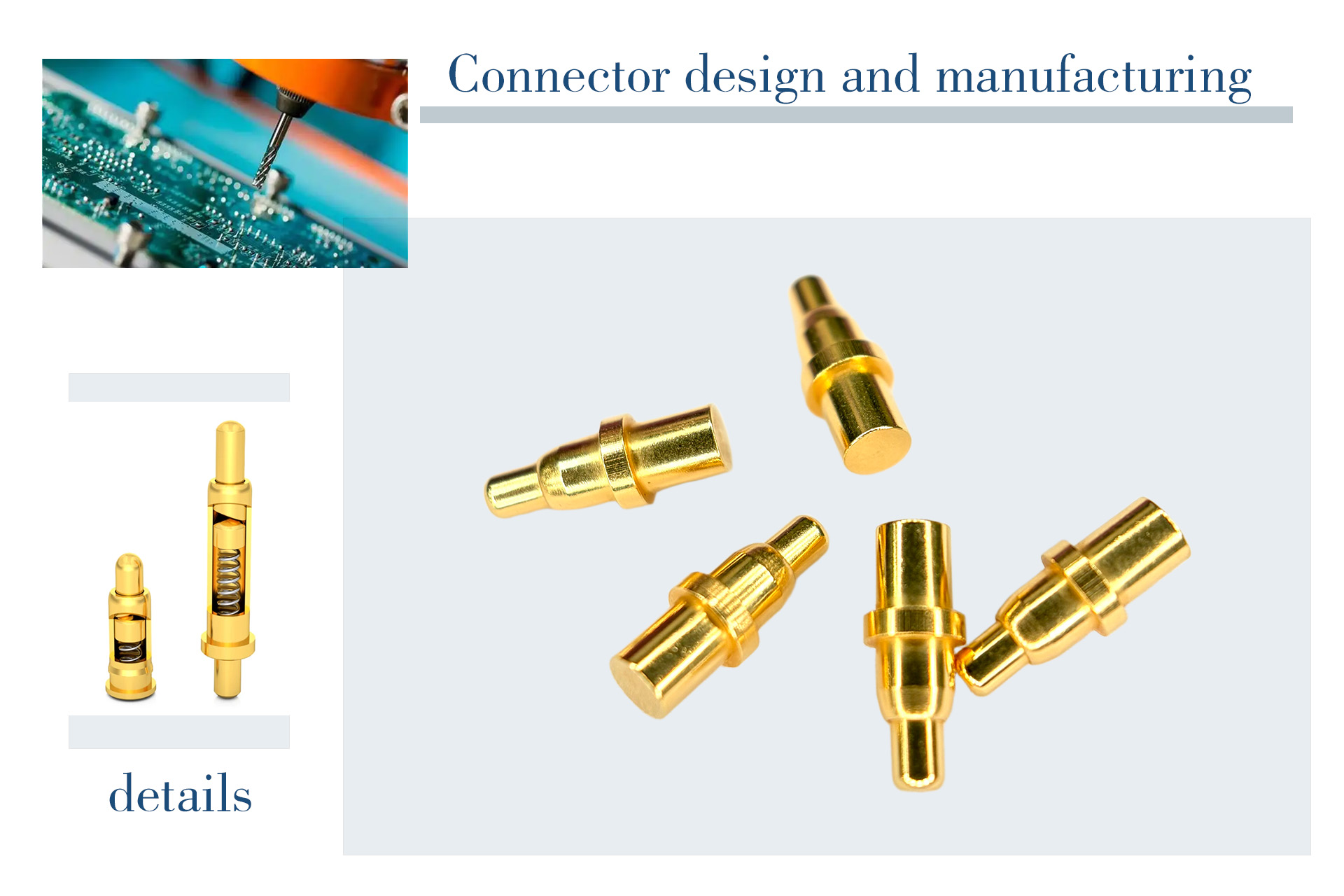
In the process of product selection and design, precise attention must be paid to core parameters such as rated current, rated voltage, contact impedance, elasticity, salt spray requirements, and working life of the product.
High power charging connectors typically support fast charging protocols and are highly favored by consumers. The current range can typically reach 1A to 10A, and some special designs can be customized to achieve 40A while meeting structural requirements.
What are the main applications of high current pogopin connectors?
Mainly used to provide stable power supply channels for industries such as smart devices, power tools, and automotive electronics.
What are the advantages of high current pogopin connectors?
1. Stronger current load capacity: Conventional pogopin connectors are mostly used for signal or low current transmission, while the high current version can achieve the effect of reducing resistance and improving high current stability by optimizing the structure (inclined surface+zirconia ceramic beads) and coating related parameters.
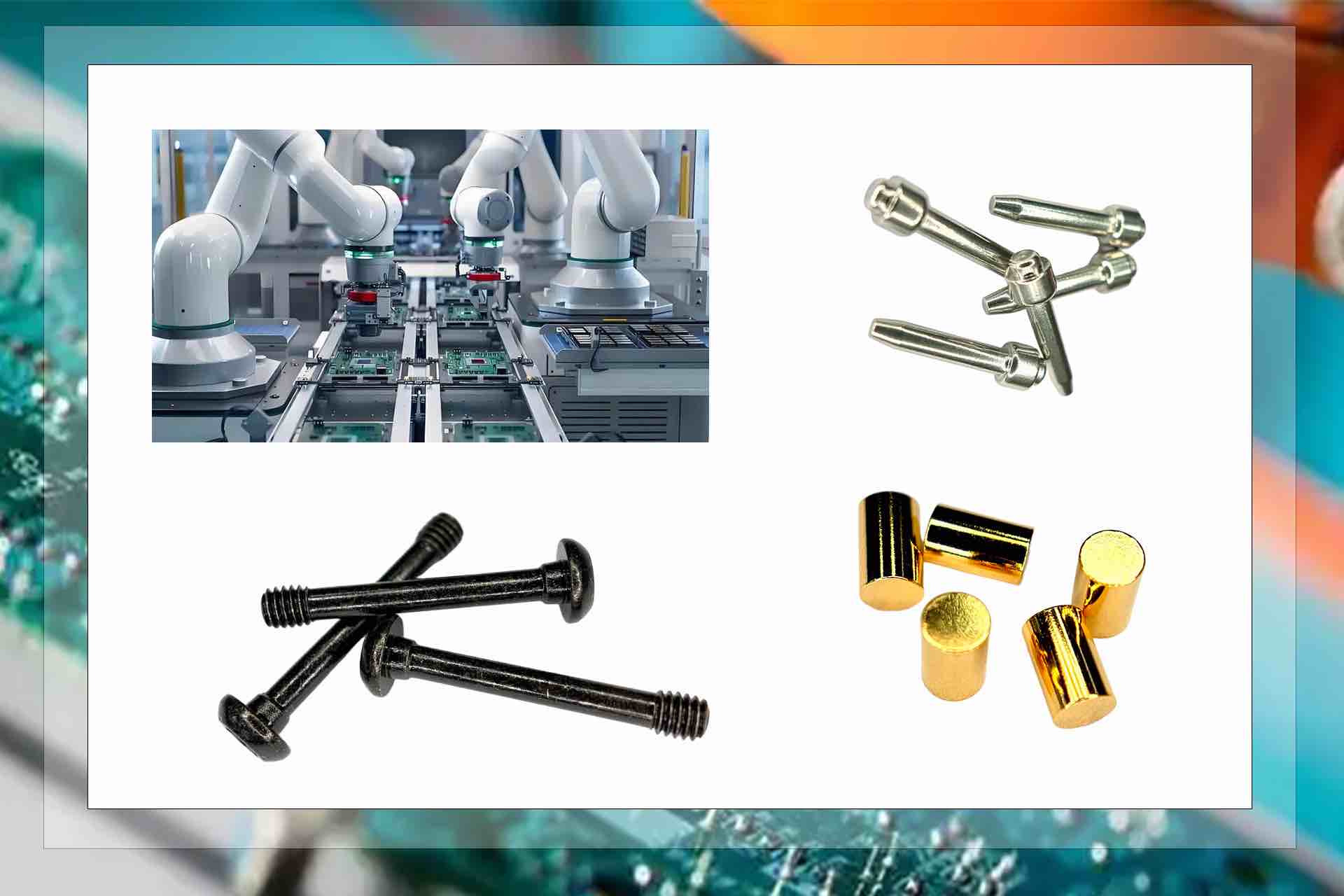
2. High current pogopin contact is more stable: The optimized internal structure makes the signal and contact force distribution of the product more uniform during the charging contact process, greatly reducing the risk of signal or current interruption caused by product vibration during work activities. The spring insulation protects the spring from mechanical movement without passing current, and the spring will not fail due to temperature rise caused by current contact.
3. Under certain conditions, design external springs with thicker wire diameters or increase the thickness of gold plating on the surface to achieve stronger corrosion resistance and longer insertion and extraction life. Depending on the structure, the maximum lifespan can reach 50000 to 200000 times.
The diameter of the high current pogopin needle tube, the area of the needle shaft, the spring material, and the wire diameter are the basis for determining the upper limit of the current.
During the operation of high current pogopin, it is necessary to control the spring temperature of the product to not exceed 30 degrees Celsius above room temperature. To ensure that the initial contact resistance of the product is ≤ 30 milliohms. The current will only stabilize when the resistance is stable.
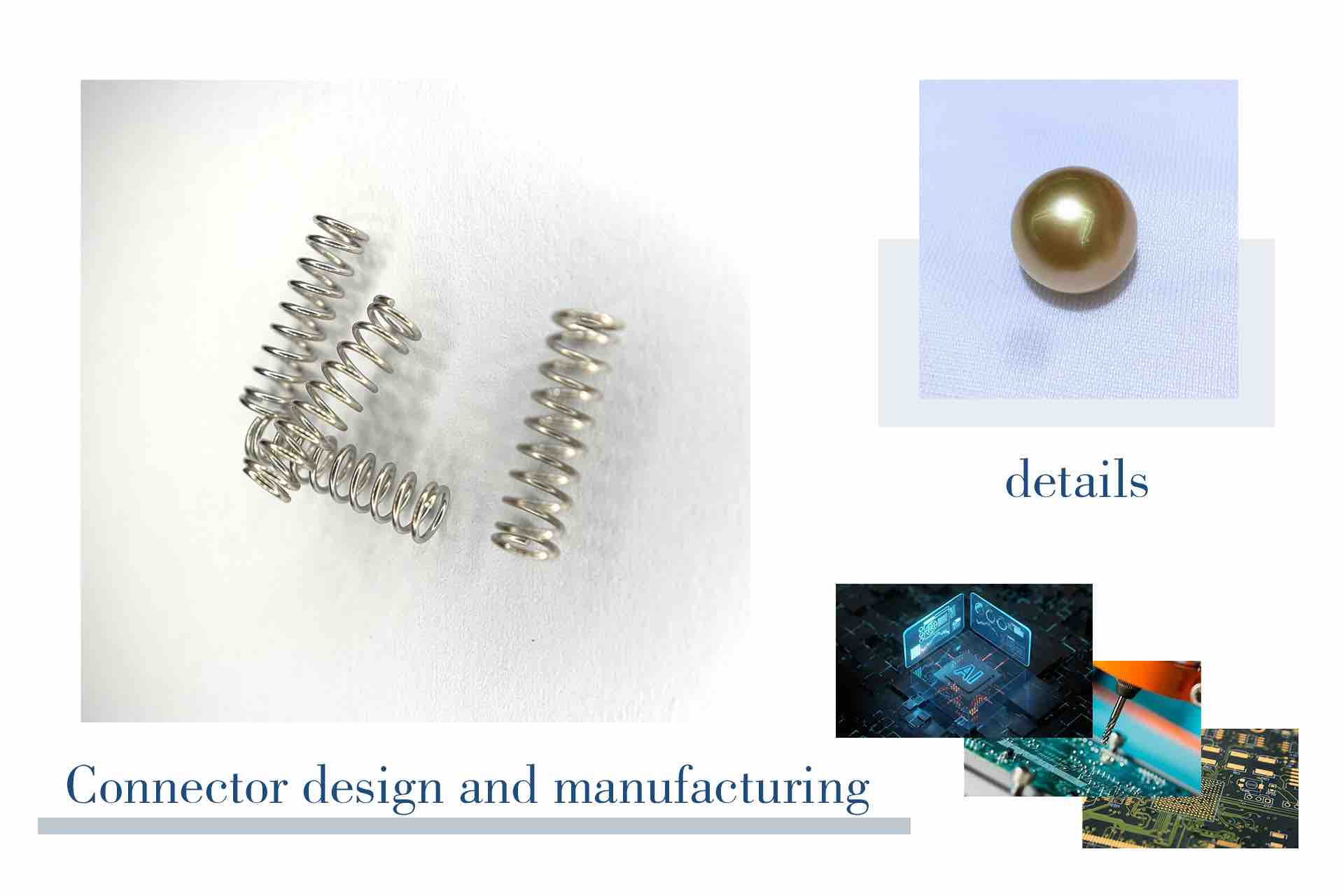
Why should zirconia ceramic beads be used as insulation beads for high current pogoping?
Zirconia ceramic beads have ultimate insulation performance, which can minimize the risk of high current leakage as much as possible.
1. The volume resistivity of zirconia ceramics is greater than 10 ΩΩ· cm, and in some scenarios, the insulation resistance can reach more than 10 Ω· cm, which can form a reliable insulation barrier on high current transmission paths, completely avoiding leakage and short circuit problems between adjacent needle cores.
2. Zirconia ceramic beads have no electromagnetic interference, and there are no free moving electrons or magnetic elements inside the material. They will not cause electromagnetic interference to high current transmission and surrounding signals, making them more suitable for scenarios with high electromagnetic compatibility and current requirements.
3. High current pogoping using zirconia ceramic beads can achieve stable performance over a wider temperature range. It can maintain stable performance under a temperature difference of -50 ℃ -800 ℃, perfectly ensuring product performance.